Showing posts with label d general dentist. Show all posts

Saturday, January 24, 2015

Why Are My Teeth Sensitive?

 Tooth sensitivity is caused by the movement of fluid within tiny tubes located in the dentin (the layer of tissue found beneath the hard enamel that contains the inner pulp), which results in nerve irritation. When the hard enamel is worn down or gums have receded, causing the tiny tube surfaces to be exposed, pain can be caused by eating or drinking foods or hot or cold beverages, touching your teeth, or exposing them to cold air.

Exposed areas of the tooth can cause pain and even affect or change your eating, drinking, and breathing habits. Taking a spoonful of ice cream, for example, can be a painful experience for people with sensitive teeth. The excessive consumption of acid-containing foods and beverages, such as citrus juices and fruits and soft drinks, can also put you at risk for tooth sensitivity. Bulimia and acid reflux can also result in erosion of the hard enamel and sensitivity due to acid in the mouth.

Is tooth sensitivity a common condition?

Tooth sensitivity is one of the most common complaints among dental patients. At least 40 million adults in the United States suffer at some time from sensitive teeth.

How can I avoid sensitivity?

Some toothpastes contain abrasive ingredients that may be too harsh for people who have sensitive teeth. Ingredients found in some whitening toothpastes that lighten and/or remove certain stains from enamel and sodium pyrophosphate, the key ingredient in tartar-control toothpaste, may increase tooth sensitivity.

What can I do about sensitive teeth?

Tooth sensitivity can be reduced by using a desensitizing toothpaste; having your dentist apply sealants and other desensitizing and filling materials, including fluoride; and decreasing the intake of acid-containing foods. Using tartar-control toothpaste will sometimes cause teeth to be sensitive as well as drinking soft drinks throughout the day, so these habits should be avoided.

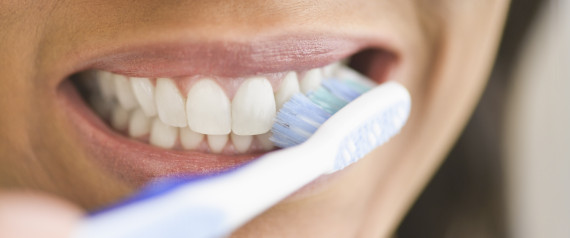
Avoid using hard-bristled toothbrushes and brushing your teeth too hard, which can wear down the tooth's surface and expose sensitive spots. The way to find out if you're brushing your teeth too hard is to take a good look at your toothbrush. If the bristles are pointing in multiple directions, you're brushing too hard.

How do I know when it's time to see a dentist?

If a tooth is highly sensitive for more than three or four days and reacts to hot and cold temperatures, it's best to get a diagnostic evaluation from your dentist to determine the extent of the problem. Before taking the situation into your own hands, an accurate diagnosis of tooth sensitivity is essential for effective treatment to eliminate pain. Because pain symptoms can be similar, some people might think that a tooth is sensitive, when instead, they actually have a cavity or abscess that's not yet visible.
 
How do I describe my symptoms to my dentist?

Sensitivity may be defined as a short, sharp pain that is usually initiated by eating hot or cold foods or exposure to cold air. Aching often follows. Because sensitivity may mean different things to a patient and dental professional, be sure to clarify exactly what you feel when you discuss the condition with your dentist. Be sure to tell the dentist when the pain started and if there is anything, such as the application of a warm compress, that helps eliminate the pain.

Do some products help decrease sensitivity?

Toothpaste for sensitive teeth usually contains a desensitizing agent that protects the exposed dentin by blocking the tubes in the teeth that are connected to nerves. In most cases, these products must be used on a regular basis for at least a month before any therapeutic benefits may be noticed.

What can the dentist do for my sensitive teeth?

Dentists have a variety of regimens to manage tooth hypersensitivity, including both in-office treatments and patient-applied products for home use. If you are diagnosed with dentin hypersensitivity, your dentist may apply a desensitizing agent or a protective coating. You may be prescribed a stannous fluoride gel or an over-the-counter desensitizing toothpaste containing fluoride and either potassium nitrate or strontium chloride. These ingredients help block the transmission of sensation from the tooth to the nerve. It also might help to massage the special paste onto your gums with your finger after brushing.

What should I do after the dentist has applied a desensitizing agent?

Listen closely to your dentist's instructions. He or she may advise you not to eat or drink for a short period of time to eliminate all sources of irritation, such as acidic foods, medication, or flavored toothpastes. You may also be instructed to change oral hygiene habits that are likely to cause abrasion or use a daily fluoride application (a rinse or brush-on gel).

Source: Know Your Teeth


Saturday, January 17, 2015

2015's Most Anticipated Fashion Trend


The votes are in and the fashion world has announced the hottest trend for 2015. This coveted spot in the fashion world goes to.....TEETH! 

A timeless classic, teeth are always in style. They can really make or break any outfit. A beautiful smile provides the owner with confidence and only accentuates their outfit. Missing teeth, decay, or stained teeth draw attention away from a killer ensemble and put unwanted attention on a smile that the owner is not so proud of. 


Looking to straighten your smile? Invisalign takes a modern approach to straightening teeth, using a custom made series of aligners created for you and only you. These aligner trays are made of smooth comfortable and virtually invisible plastic that you simply wear over your teeth. Wearing the aligners will gradually and gently shift your teeth into place, based on the exact movements your dentists plans out for you. There are no metal brackets to attach and no wires to tighten. You simply pop in a new set of aligners approximately every 2 weeks, until the treatment is complete and you achieve the confident smile that you have always wanted. The best part about the whole process is that most people won’t even know that you are straightening your teeth.

Looking to whiten your teeth? If you're happy with your smile and just want to improve the color of your teeth, Zoom!® is the best investment you can make in yourself. Our revolutionary technology is clinically proven to get your teeth their whitest. Almost one million happy clients worldwide agree!
Zoom!® is safe!
  • SAFE for your tooth enamel
  • SAFE for fillings and dental work
  • SAFE for your gums
A study published in the Journal of the American Dental Association confirms Zoom!®'s teeth-whitening system is safe and effective, and the results last for years.
With Zoom!®, your entire whitening experience is overseen by a dental professional, ensuring not only safety, but also naturally consistent results. What is the Zoom!® whitening system? It's an all comprehensive line of treatment and products to get you a bright, white smile in about an hour. Our revolutionary teeth whitening technology is the latest in cosmetic dentistry. Bleaching your teeth has never been faster or easier. Of all the dental whitening treatments, Zoom!® offers the safest fastest light-activated teeth whitening available.

If you have sensitive teeth (or a single sensitive tooth), you'll be happy to know that Zoom!® uses a proprietary teeth bleaching gel with only 15% or 25% peroxide - only for about an hour. We activate our whitening gel with a blue light to safely and effectively accelerate the teeth whitening process.
Zoom!® is gentle. There's no laser and no heat. It's just gel and soothing light. All you do is sit back, relax, and watch TV or listen to music for an hour. Teeth whitening has never been this safe - and this comfortable. Only trust Zoom!® with your smile!

Here at Dental 2000 we are committed to our patient's health. So much so, that we are willing to give you a free take-home whitening kit and custom whitening trays with you receiving necessary dental examinations, recommended 3-6 month periodontal cleanings and x-rays. Keep your regular 6 month dental exams and you will receive additional whitening gel two times per year for the rest of your life! This offer is extended to all patients committed to maintaining optimal dental health.

For more information about these services, contact Dental 2000 at 973-890-0600! Mention this post and receive a no-charge private consultation and digital x-rays!


Tuesday, January 6, 2015

Healthy Teeth: 5 Tips for Dog's Dental Health

One of the first things your vet checks during an exam is the state of your canine companion’s dental health.  Gum disease, tarter build up, and a lack of a hygiene regimen can literally be the root of many health ailments, including liver disease!  What can you do besides throw your dog a bone to keep his mouth clean, odor free, and healthy? Follow these 5 tips to begin a healthy tartar free lifestyle for your pooch.
Dachshund dog holding a toothbrush.

 1. Don’t rely on food!

While crunchy kibble bits may remove some of the top layer of plaque on a dog’s teeth, it can actually cause more problems around the gum lines.  It also most certainly does not get rid of the tartar.  The gum line is where most of the damage that can be done to a dog’s mouth tends to occur, as the build up can cause inflammation, infection, and rot in the fleshy parts around his teeth.  Relying solely on your kibble to clean your dog’s teeth is not just ineffective, but may aid in the build up of harmful substances around his gums!

 2. Brushing is for dogs, too!

It may seem weird at first, but brushing your dog’s teeth on a daily basis can remove all the debris his mouth has built up through the day.  Removing these top layers of plaque can prevent it from hardening and turning into a harmful build up that can lead to disease and decay.  Many tooth brushes and tooth pastes exist on the market today made specifically for dogs.  Training your dog to accept a toothbrush nightly is a fun and easy task, especially with meaty flavored paste!

 3. Consider natural bones

In the wild, the domestic dog’s ancestors did not have the luxury of a human brushing their teeth for them. Instead, they would use the bones of their prey and even some rocks (in which they would obtain essential minerals from) as chew toys that naturally cleaned their teeth.  Today, we have the option of using a raw diet that contains raw meaty bones.  The chewing involved in eating a raw meaty bone, along with a dental care regimen, scrapes away any plaque and debris, prevents tartar, and keeps your pup happy!

 4. Routine deep cleanings

We humans tend to utilize the cleaning abilities of our professional dental care specialists on a regular basis. Usually, we will visit at least once a year, sometimes twice a year so that they may clean those hard to reach places we cannot get to.  They will also scrap away the tartar build up that our toothbrushes can’t get a grip on. This is no different for our pets! Veterinarians are capable of providing this same service for our precious pooches to keep any and all dental problems at bay.

5. Stay observant!

If your dog is suffering from any dental health problems, he cannot simply tell you or complain about the pain he is in. Instead, it is up to you to keep tabs on the condition of of teeth and gums and take action when needed.  This should be easily done if you are brushing his teeth every day, and you will quickly notice any tart build up, gum bleeding, swelling or soreness.
Make use of more than just one of these tips, and use them all if you can! Keeping your dog healthy goes beyond his diet and exercise, but much of it lies within the hygiene of his mouth.  Poor oral health could lead to more serious conditions that can even become life threatening. Don’t let your pooch suffer from dental disease and pain. You can do your own research and learn more ways to keep your dog’s mouth healthy and pearly white!

Source: www.berganpet.com

Tuesday, December 9, 2014

Why Falling Asleep Without Brushing Your Teeth Is Actually Pretty Darn Gross

 | By 
The question: Just how gross is it really if I forget to brush my teeth before bed every once in a while?
The answer: Bad news: It's pretty gross. You probably already know that the American Dental Association (ADA) recommends brushing those pearly whites twice a day. You also probably know that brushing your teeth is one of the easiest ways to avoid scaring off your date.

FORGOT TO BRUSH TEETH

But brushing is important for reasons beyond fresh breath. Skip a session, and you're on your way to encouraging the growth of bacterial buildup in the form of plaque, which can lead to cavities and gum disease.
"In the middle of the day, [run your tongue] across your teeth right around the gum line. You’ll find something sticky or fuzzy," Deepinder "Ruchi" Sahota, DDS, a dentist in Fremont, California, and a spokesperson for the ADA, tells The Huffington Post. "That's plaque."
Brushing, thankfully, "disrupt[s] that bacteria so it doesn't stay in place," she says, because if left in place, it starts to attack your teeth. Plus, the longer that plaque sits in one place, the more likely it is to become tartar, "that hard, yellow, rough material you sometimes feel in between your teeth" that can cause inflammation and bleeding in the gums, she says. Leave that untreated for too long, and you could risk losing teeth.
While there's not exactly a precise timeline of when plaque becomes risky, "you can start the process of a cavity by not brushing once, absolutely," says Sahota, especially if your occasional forgetfulness is more frequent than you'd like to admit. (We won't tell.)
However, doing a so-so job brushing can be just as bad, Sahota warns. That twice-a-day routine is no joke, preferably with fluoride toothpaste and a soft-bristled brush. Each brushing session should last about two minutes and cover all surfaces of the teeth, not just the parts we see when we smile, she says. The ADA also recommends flossing once a day and seeing a dentist regularly to take care of the rest (like that tartar, which only a dentist can truly clean, she says).
Also, no cheating: Gum, mints and mouthwash are no brushing replacements. All three can give your mouth a fresher feel, says Sahota, but "brushing and flossing are the only ways to effectively, physically remove the plaque."
Have a question for Healthy Living? Get in touch here and we'll do our best to ask the experts and get back to you.
"Ask Healthy Living" is for informational purposes only and is not a substitute for medical advice. Please consult a qualified health care professional for personalized medical advice.

Tuesday, November 25, 2014

Get a Grip!

People with finger dexterity or arthritis may find it difficult to grab thin items. This sponge will allow the user to use as a grip and be able to use daily items such as forks and toothbrushes. They can be made at hom by simply cutting some foam such as the ones found on the hair rolls.

People with finger dexterity or arthritis may find it difficult to grab thin items. This sponge will allow the user to use as a grip and be able to use daily items such as forks and toothbrushes. They can be made at home by simply cutting some foam such as the ones found on the hair rolls.

This is so clever! Kind of reminds you of those pencil grippers you had in elementary school, right?! 

Foam rollers are not expensive at all and come in all different sizes to accommodate your grip and comfort. Here are a few suggestions on the best foam rollers to try!


Diane    -     
Conair    -     Conair

Monday, November 24, 2014

Holiday Gift Guide: Fancy Dental Care

The Fancy Dental Care You Need To Impress Your Houseguests


I'm that girl who loves visiting the dentist. Sure, I've had a few cavities and even underwent cosmetic surgery to fix a chipped tooth. However, I will go to great lengths, including book several dental check-ups in a calendar year, just to take care of my greatest accessory: a  healthy, white smile.

So, you can imagine how thrilled I was when someone introduced me to Hello dental care. I know what you're thinking, "What's exciting about toothpaste and mouthwash?" Well, these oral hygieneproducts are far from ordinary.
hello dental careWhat Is It?
Hello is a brand that prides itself on friendly dental care which makes brushing your teeth a bit more fun. Packaged in stylish yet simple bottles and tubes, the line includes Supermint, Pink Grapefruit Mint and Mojito Mint flavored toothpastes, mouthwashes, breath sprays. And not those gross trying-to-be-minty flavors either. Plus, they've created vegan toothbrushes that are incredibly soft.
These items look pretty fancy and may seem exclusive, but everything costs just under $5 and you can buy at your local Duane Reade, Walgreens and select Target stores.
How I Used It
I brought home the Mojito Mint toothpaste and breath spray along with the Pink Grapefruit Mint mouthwash. Normally, I use Crest Pro-Health Sensitive and Enamel Shield Toothpaste and Listerine Zero Antiseptic Mouthwash per my dentist's orders.
I brushed twice a day with the Mojito Mint toothpaste for a week. I loved how the hexagram-shaped dispenser made it easy to get just enough product out of the tube without making a huge mess. The mint reminded me of a not-too-strong cocktail drink and it didn't leave behind a bland aftertaste. The brightness of my teeth didn't dim even though this toothpaste contains less fluoride than most others, and the build-up that occurs near my gum line broke down before I reached for the floss.
The real burst of flavor came via the mouthwash. I'm not a huge fan of grapefruit, but I got my gargle (and dance) on in the mirror by swirling this stuff around. It left behind a clean feeling. And when I felt as though I needed a refresher post-lunch and Happy Hour, I spritzed the Mojito Mint breath spray directly onto my tongue. It tasted so darn good that I had to stop myself from going overboard.
Rating: 4 out of 5. Hello may not have all the germ and bacteria-fighting benefits as its competitors, but the brand deserves cool points for its line-up of oral hygiene products that not only look good but taste great.
Hello provided dental care product samples for review purposes.
Article from Huffington Post

Thursday, November 20, 2014

Time to Call the Dentist? 6 Signs Your Teeth Could Be in Trouble

general dentist
When it comes to dental problems, early detection is the best plan of action. But potential issues aren’t always as glaring as we would like them to be. A dental concern may not be accompanied by pain or obvious visual changes. You may not know its warning signs, making it all the simpler for it to sneak past your attention. Dental caries and gum disease are well-known bad guys, but are you aware of the symptoms of bruxism or a jaw disorder? This blog post will help you decide when it’s time to schedule an appointment, and what the issue at hand could be.

Signs of Common Dental Problems

  1. Your tooth surfaces are becoming worn. Worn teeth – what’s the big deal, right? In fact, tooth wear is a sign of many different dental concerns. The most pressing is teeth grinding, which wears down tooth enamel over time. It’s easy to tell when teeth have been exposed to years of grinding, but how do you tell if they’re just starting to erode? Look for flat, shiny patches on the occlusal (bite) surfaces of your teeth. If they’re starting to lose their shape, it’s time to get to the office and get a night guard.
  2. Your gums are receding. Your gum tissue should not change. While recession may be seen as a side effect of aging, it’s usually due to some larger problem. Gums may begin to recede due to chronic bruxism, gingivitis, or periodontal disease. Losing gum tissue can mean finding your sensitive tooth roots exposed and uncomfortable. Extreme recession can also result in loose teeth and even tooth loss.
  3. There’s any kind of persistent pain in your mouth. We say “persistent” pain because fleeting discomfort may not be the sign of a true problem. Your teeth can even feel slightly sore from overzealous oral hygiene, or from inconsistent flossing. But if the discomfort is ongoing, it needs to be tended to. You shouldn’t be spending your days feeling uncomfortable – you’ll find your mood and activities seriously affected.
    Detroit general dentistry
    Once you visit the office, we’ll fix you right up
  4. You’re waking up with sore teeth or a sore jaw. Morning discomfort in the jaw, face, or teeth usually points to a grinding problem or a TMJ disorder (a problem with one of the jaw joints). If left untreated, these issues can cause severe damage to the teeth and jaws. We’ll help you find a mouth guard that keeps your jaw functioning properly.
  5. You have unusual, ongoing bad breath. A bad taste in the mouth after waking up is one thing, but bad breath that refuses to go away is more sinister. It’s a sign of increased bacterial presence in the mouth, which is usually due to a cavity or gum infection.
  6. Your gums are swollen, red, or tend to bleed. These are all the textbook symptoms of gingivitis/gum disease. If you notice that your gums are puffy and uncomfortable, you need to take action right away. Stopping gum disease before it spreads or worsens will simplify your treatment and preserve your gum line.
- See more at: http://yourplymouthdentist.com/2014/04/detroit-see-signs-of-dental-problems-call-your-dentist/#sthash.vimXIqlx.dpuf


Tuesday, November 11, 2014

Bad Breath: Good & Bad Foods

Bad Breath: Good and Bad Foods

A combination of diet and dental hygiene is the best defense against bad breath.
By  WebMD Feature
Reviewed by Laura J. Martin, MD
If your dental hygiene is great -- you brush your teeth twice a day, floss once a day, and clean your tongue -- your bad breath could be linked to your diet.
Certain foods can taint your breath for hours and contribute to dragon breath in other ways. Here are some of the culprits:
Garlic and onions. "Garlic and onions top the list when it comes to halitosis," says Lisa Harper Mallonee, MPH, RD, associate professor at Texas A&M Health Science Center Baylor College of Dentistry.
That's because the smelly sulfur compounds in garlic and onions linger in your mouth and are absorbed in the bloodstream and expelled when you exhale.
Coffee and alcohol. Coffee and alcoholic drinks create a favorable environment for oral bacterial growth.  They also have a drying effect, which reduces saliva flow and allows foul-smelling bacteria to linger longer. 
Several other foods – including dairy products, a diet heavy in meat, orange juice, and soda – sometimes get talked about as bad breath triggers. Mallonee says she doesn’t have “any sound scientific evidence” about that.
Paul Vankevich, DMD, an assistant professor at Tufts University School of Dental Medicine, agrees. Any food or drink, he says, could briefly cause breath odor if it's allowed to linger in the mouth. "This is insignificant and non-consequential," Vankevich tells WebMD in an email. Brushing your mouth and your tongue gets your good breath back.

Foods and Drinks That Make Your Breath Smell Good

Water.  This odor-free fluid helps flush from the mouth the bits of food bacteria feed upon. Drinking water promotes the production of saliva, which acts as a constant cleansing agent and dissolves stinky substances in food and drink.
Sugarless gum. Chewing gum loosens food and dead cells from the teeth, gums, and tongue and fosters saliva production.
Vankevich says sugar-free gum sweetened with xylitol is particularly effective for fighting bad breath because xylitol inhibits mouth bacteria.
To get the full effect of chewing xylitol-sweetened gum, munch it for at least five minutes after meals, Mallonee recommends.
Fruits and vegetables . Foods rich in vitamin C, such as red bell pepper and broccoli, create an inhospitable environment for mouth bacteria. They work even better to fight bad breath when eaten raw, as crunchy produce of any kind is mechanically abrasive and helps to loosen trapped food particles.
Yogurt: Japanese researchers found that eating about 3 ounces of sugar-free yogurt with probiotic (good) bacteria twice a day for six weeks reduced bad breath by helping to lower the levels of odor-causing sulfide compounds. To best mimic the study's effects, eat yogurt that supplies strains of streptococci and lactobacilli bacteria.
"Fortified yogurt is also great source of vitamin D, which helps reduce mouth bacteria," Mallonee tells WebMD. Other sources of vitamin D include fortified milk and orange juice, salmon, and eggs.
Herbs and spices. Parsley contains chlorophyll, which may have a deodorizing effect in the mouth. Other plant products linked to better breath include cloves, anise, and fennel seeds. While employing herbs and spices to mitigate bad breath is rooted more in folklore than science, it doesn't hurt to try.

Monday, August 4, 2014

Tooth Fairy Dust Pendant

There's nothing more precious than the excitement on a child's face after a visit from the tooth fairy. Especially if it's a child's first lost tooth, the thrill of putting their tooth under a pillow and waking up to a treat from the tooth fairy is a big moment. I found this adorable post from Grandma's Chalkboard on Pinterest to make that moment extra special.


Hi guys, it’s Kristin from Grandma’s Chalkboard.
 
My sweet daughter is six, and to date, she has lost six teeth. They didn’t all come out easily. Okay, let’s be honest, none of them came out easily. And when her teeth need to come out, (her mouth is a super crowded place…we’ve already done braces!) it can be a not-so-fun experience.
 
But the one thing that makes losing a tooth worth it? A visit from the tooth fairy.  And wouldn’t you know it, the tooth fairy that visits our house knows just what this little girl likes. She doesn’t want money, she wants jewelry. Because really, what little girl doesn’t like jewelry, glitter, and over-the-top cuteness!?
DIY Tooth Fairy "Fairy Dust" Pendant...something special to find under their pillow! --- Make It and Love It


Wrap it up in special Tooth Fairy packaging — and prepare yourself for happy squeals in the morning when your little cutie finds her very own tooth fairy dust necklace under her pillow. Trust me, you’ll feel like the best parent, er, tooth fairy, ever!

DIY Tooth Fairy "Fairy Dust" Pendant...something special to find under their pillow! --- Make It and Love It


And if you make several pendants all at once and stash some away, you’ll be smiling too when a tooth falls out right before bed. No worries, you’re prepared!

DIY Tooth Fairy "Fairy Dust" Pendant...something special to find under their pillow! --- Make It and Love It


So lend the tooth fairy a tiny little hand by putting together these adorable glitter-filled ‘fairy dust’ glass vial pendants to gift to your little one.  Trust me, the excited missing-teeth grins you’ll get in return will make this project worth it a thousand times over!
DIY Tooth Fairy "Fairy Dust" Pendant...something special to find under their pillow! --- Make It and Love It


Okay, time to share this adorable craft project with you!

You’ll need:
  • 20 tiny glass jewelry vials (one for each baby tooth lost)
  • Glitter or Embossing Powder
  • Glue
  • Small Eyelet Screws if your vials don’t have them already in the cork
  • Necklace Chain
  • Funnel (if using glitter from a jar)
Optional:
  • Tiny gift boxes, notecards, and envelopes for packaging…if you are the over-acheiving type. :)

I purchased my glass vials in the jewelry department at Hobby Lobby and of course made sure they were on sale (if not, use their coupon, they always have one). You can also buy them on Etsy or other craft stores in the scrapbooking or miniatures section. The sample packs of glitter (purchased from Joann’s) are just perfect for this project and come in so many cute colors. Isn’t that confetti-like glitter adorable!?!


Carefully pour glitter into each vial by snipping off the corner of a glitter packet, or by using a tiny funnel to curb the mess. (Update: or you can make a quick paper funnel.)  I chose to leave some space for the glitter to move around, rather than filling the vial all the way up.


If your vials didn’t come with eyelet screws already put in the corks, go ahead and screw them in now. I unwound the screws from the cork, put a tiny bit of glue on the screw, then tightened it down again so the screw will stay in tight.


Put a little more glue on the outside of the cork, and push the cork gently into the bottle. Let the glue dry for a while so the glitter doesn’t stick to it.

Now, attach the tooth fairy dust pendant to a necklace, wrap it up however you wish, and have them on hand for those when those teeth fall out.  Trust me, you will have one happy child in the morning!

DIY Tooth Fairy "Fairy Dust" Pendant...something special to find under their pillow! --- Make It and Love It


Thank you all for letting me share this cute project with you today!
-Kristin

Monday, July 21, 2014

Happy Birthday Olivia!

We don't take birthdays lightly here at Dental 2000. Today we are celebrating one of our hygienist's birthdays, Olivia!

 Thank you for all you do for Dental 2000 Olivia!


Tuesday, July 30, 2013

Dental 2000 NJ | General & Cosmetic Dentist


   Do you know 3 of the most powerful 
  “anti-aging secrets” ever discovered?  
               Well Dental 2000 does!

1) Prevent gum disease!  
Take care of your teeth and gums so you don't get gum disease that can spread to the bone and cause bone loss!

2) Keep your natural teeth a lifetime!  
Keep as many of your natural teeth as long as you can s you don't suffer from premature facial aging due to tooth loss and bone loss!

3) Implants may be your “youthful” solution!
If you do lose one or more teeth, consider implants to prevent or sow down bone loss!

Stay tuned for the Passaic Valley Today newspaper next week for our Implant Offer valid for new patients.