Showing posts with label healthy teeth. Show all posts

Wednesday, June 17, 2015

Monday, May 11, 2015

Popcorn: Friend or Foe of Your Gums?

popcornteeth

Popcorn can be a healthy snack indeed: The puffy kernels themselves are unprocessed whole grains, containing plenty of fiber, and even some antioxidants. If you don't overload your popcorn with butter, oil or salt, it's low in fat, calories and sodium—and it fills you up, too. So what's not to like about this "ideal snack?" Ask your periodontist or dental hygienist that question, and they may reply with just two words: gum abscess.

Saturday, May 9, 2015

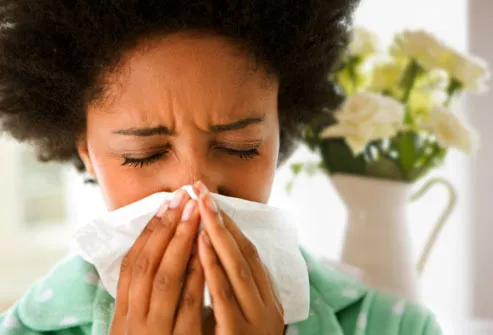
Did you know: allergies caused by pollen can make your teeth hurt?


Did you know: allergies caused by pollen can make your teeth hurt?


Those beautiful blossoms coming out now can be a source of pain for your teeth: sinus problems that are worsened with the onset of pollen season often show up as tooth pain.

Monday, May 4, 2015

Celebrate Cinco de Mayo the Healthy Way!


Whether it be an office party, lunch with friends, or dinner with the family, you don't have to sacrifice taste to save some calories this Cinco de Mayo. You can indulge in your favorite foods, just remember, everything in moderation.

Try this healthy spin on a Cindo de Mayo classic...the burrito! 

If you are in a big hurry to prepare a beautiful lunch or dinner, maybe it's time for you to try the healthy and easy Chicken Avocado Burritos. I consider this a real „trick up my sleeve“ for situations like this.If you are in a big hurry to prepare a beautiful lunch or dinner, maybe it's time for you to try the healthy and easy Chicken Avocado Burritos. I consider this a real „trick up my sleeve“ for situations like this.
Chicken Avocado Burritos
Author: 
Prep time:  
Cook time:  
Total time:  
Serves: 4
Ingredients
  • 2 cups cooked and shredded chicken (or 2 chicken breasts, salt and pepper- to taste, 1 Tablespoon mustard, 1 Tablespoon olive oil)
  • 1 cup grated cheese (I use mozzarella)
  • 1 avocado -diced
  • 2 Tablespoons cilantro-chopped
  • 4 large tortillas
  • 4 Tablespoon sour cream
  • 1 Tablespoon oil
Instructions
  1. Heat 1 tablespoon olive oil in a frying pan, place chicken breast sprinkled with salt and pepper and roast for about 5 minutes on each side. Spread 1 tablespoon mustard over the chicken, add about ¼ cup water add cook covered for a few more minutes.
  2. Cut cooked chicken into thin stings.
  3. Mix the chicken, cheese, cilantro, and the diced avocados.
  4. Spread 1 tablespoon sour cream on each tortilla, add ¼ of the mixture, form a roll.
  5. Heat 1 tablespoon oil into a pan and place all four tortillas on the pan, cook for 2 minutes on medium- high heat. Flip on the other side and cook for another minutes or until the the tortillas are golden
  6. Serve warm.


To wash it down, try this recipe for a Skinny Sunrise..it's only 145 calories! 
Fresh squeezed orange juice, 100% pineapple juice, homemade strawberry simple syrup, and rum (or tequila, or vodka!) are shaken with ice, then poured into a glass and topped with fizzy club soda. Feel free to leave out the alcohol! 
Skinny Sunrise Cocktail. Great swap for a margarita on Cinco de Mayo, and just 145 calories!DSC_1507


What's a meal without dessert?! Try these baked churro doughnut holes! Baked is always better than fried!


{CINCO DE MAYO} hEALTHY BAKED CHURRO DONUT HOLES (GLUTEN FREE!)


PREP TIME
COOK TIME
TOTAL TIME
Serves: 8
INGREDIENTS
  • 1¼ cups blanched almond flour
  • ½ teaspoon baking soda
  • ¼ teaspoon salt
  • 1 teaspoon ground cinnamon
  • 3 tablespoons stevia baking formula (sub for raw honey, agave, pure maple syrup, or coconut palm sugar if preferred)
  • ¼ cup mashed ripe banana (sub for pure pumpkin puree or applesauce if preferred)
  • 1 egg, at room temperature
  • 2 tablespoons coconut oil, melted (divided, 1 tablespoon for coating)
  • ½ teaspoon vanilla
  • Cinnamon-'Sugar' Coating
  • 2-3 packets granulated stevia (sub for raw cane sugar or coconut palm sugar if prefered)
  • 1 teaspoon ground cinnamon
INSTRUCTIONS
  1. Preheat oven to 325 degrees.
  2. Lightly grease a cake pop mold (I used a silicon mold), donut hole mold, or a mini muffin tin.
  3. In a bowl, combine the almond flour, baking soda, salt, stevia and cinnamon. (If using a liquid sweetener, add this to wet ingredients instead).
  4. Stir until thoroughly combined.
  5. In a separate bowl, combine the egg, mashed banana, coconut oil and vanilla.
  6. Combine the wet mixture with the almond flour mixture until well incorporated. The batter will be rather thick.
  7. Fill each cup with about one tablespoon of batter.
  8. Bake for 15 minutes. Once a toothpick pulls clean allow the donut holes to cool completely and remove from the pan/mold.
  9. Combine the granulated stevia (or substitute) and 1 teaspoon of cinnamon in a bowl.
  10. Brush each donut hole with a small amount of melted coconut oil using a pastry brush then toss in the cinnamon 'sugar' mix.
  11. Enjoy!
NOTES
Makes 16 donut holes. Nutritional values will change with the use of ingredient substitutions.
NUTRITIONAL INFORMATION
Serving size: 2 donut holes Calories: 150 kcal Fat: 11g Carbohydrates: 7gSugar: 2g Fiber: 4g Protein: 5g


Tuesday, March 31, 2015

Tooth-Friendly Treats to Fill Your Easter Basket

Okay parents, Easter is just around the corner and you know what that means, right? CANDY BLIZZARD! It's snowing jelly beans, chocolate bunnies and Peeps. And even if you're not worried about the juvenile diabetes epidemic sweeping the country, you're at least not looking forward to Easter basket o' sugar crashes and gummy bear-induced tantrums.


Here are a few ideas.

, I'm okay with some Easter candy in moderation. But I don't like the holiday to turn into a week-long candy spree. So -- what can I use to balance out the serious sugar action in my son's Easter basket this year?
Actual hard-boiled eggs: You've already dyed them. Might as well slip a few in. (Does your kid only eat the whites? Mine too. Here are some ideas for those yolks.)
Fresh berries: Put a handful of blueberries or blackberries inside a few plastic eggs for a sweet treat that's all natural.
Popcorn balls: These do have a bit of sugar from the marshmallows, but otherwise these are a high-fiber, low-sugar snack. Here's Martha Stewart's recipe for popcorn balls.
Dried fruit or nuts: For something different, try dried apricots, dates, yogurt-covered raisins, toasted hazelnuts or macadamia nuts.
Annie's Cheddar Bunnies: My son loves these. They're basically Goldfish crackers, only made with real cheese and, hello, they're BUNNIES! They also make Bunny Grahams.
Clementines: These are wee relatives of the orange with super-thin skin most kids over three can peel themselves. They're usually a less tart than oranges, too.
Squeezable yogurt: Most brands with cartoon characters on the package are still loaded with sugar, but they're still less sugar than candy. We like freezing ours first.
Home-baked treats: Just about any homemade cookie or muffin is still going to be less sweet than candy.
And how about a few non-edible options?
Cascarones: These are colored eggs filled with confetti -- so fun! I was thrilled when my mom sent my son some last year. Just remember to crack them outdoors unless you love vacuuming.
Polished rocks or crystals
Legos
Bouncy balls
Stickers
Play Dough
Bubbles
Egg-shaped sidewalk chalk
What other non-sugary treats do you put in your kids' Easter baskets?


Saturday, February 14, 2015

Is Dark Chocolate Good for Your Teeth?

So how, exactly, is dark chocolate good for your teeth? There's a bacterium in your mouth called oral streptococci, which produces acid that eats away at your tooth enamel. The antioxidants in dark chocolate prevent the bacteria from turning into damaging acids by acting as a sort of antibacterial compound. Also, the cocoa butter coats your teeth and prevents plaque from sticking to them.

Because chocolate has tons of antioxidants (about four times that of green tea), it can not only inhibit the production of plaque but also reduce inflammation in the body and work to prevent periodontal disease, a symptom of which is swelling of the gums. The bacteria associated with periodontal disease can also enter the bloodstream and cause heart disease and other cardiovascular problems, so periodically consuming dark chocolate is beneficial to your heart health as well.
It's important to remember, however, that munching on a piece of dark chocolate is not like downing a plateful of veggies. It has some important health benefits, but it's far from a healthy food. Like any confection, dark chocolate should be consumed in moderation. It still contains ample amounts of sugar and fat, each of which comes with its own set of health issues. Also, like all chocolates, dark chocolate isn't exactly low in calories. The recommended intake is 1 ounce per day, which is equal to about six Hershey Kisses (don't worry, they're available in a dark variety). Even this small amount, however, contains as many as 150 calories, and since it tastes so good, it's hard not to indulge.
So get your hands (and teeth) on some dark chocolate today to enjoy what is arguably the most delicious but still beneficial food on the planet. Just remember to practice portion control so the health risks associated with an expanding waistline don't overshadow the benefits to your pearly whites.


Thursday, February 12, 2015

8 Amazing Health Benefits of Smooching


1. Reduce Your Blood Pressure

Kissing helps to dilate your blood vessels, which may help lower your blood pressure.

2. Relieve Cramps and Headaches
The blood-vessel-dilation effect described above also helps to relieve pain, particularly from headache or menstrual cramps.

8 Amazing Health Benefits of Kissing | healthylivinghowto.com3. Fight Cavities
When you kiss, saliva production increases in your mouth, and this helps to wash away plaque on your teeth that may lead to cavities. That said, cavity-causing bacteria can also be transmitted via a kiss, especially if the person you’re kissing has poor oral habits. It’s even been shown that cavity-causing bacteria can spread from a mother’s kiss to her baby.3

4. Release Your Happy Hormones
Kissing prompts your brain to release a happy elixir of feel-good chemicals like serotonin, dopamine, and oxytocin. This isn’t only important for your happiness, it also may also help to strengthen your relationship. 

5. Burn Calories
It’s not going to replace your workout session… but a vigorous kiss may burn 8-16 calories. Not too shabby for a kiss.

6. Boost Your Self-Esteem
One study found that men who received a passionate kiss before they left for work earned more money.8 This suggests the kiss (and perhaps the happy home-life it suggests) makes people happier, boosts self-esteem and, ultimately, more productive at work.

7. Tone Your Facial Muscles
A vigorous kiss helps you shape up your neck and jawline by working out a number of facial muscles.

8. Check Out Your Partner’s Compatibility
A kiss can be a powerful measure of your initial attraction to a person, so much so that the majority of men and women surveyed reporting that a first kiss could be a turn-off. Women, in particular, place more importance on kissing as a “mate assessment device” and as a means of “initiating, maintaining, and monitoring the current status of their relationship with a long-term partner.”9

Kissing May Even Boost Your Immune System and Provide Significant Stress Relief

The average person spends more than 20,000 minutes of their life kissing,10 and for very good reason. In addition to the benefits above, kissing has been shown to boost your immune system and reduce allergic responses in people with skin or nasal allergies.11
Separate research also revealed that people who spent six weeks making kissing a priority with their partners reported significant decreases in their levels of stress. In addition to improvements in stress, the kissing participants also reported greater relationship satisfaction and improvements in total cholesterol.
12

There may actually be an even more primal reason for why “kissing” developed, however. Because some cultures don’t include kissing in their mating rituals, it’s possible the first kiss was given by a mother to her child rather than being shared between a couple.

Tuesday, February 10, 2015

Best Friends For Life: The Link Between Your Teeth & Heart


Periodontal disease, heart disease and stroke may seem to be unlikely bedfellows, but researchers have found that gum disease sufferers are nearly twice as likely to also suffer from coronary heart disease.  In addition, research studies have discovered that oral infection is indeed a risk factor for stroke.  People diagnosed with acute cerebrovascular ischemia were more likely to also be experiencing some degree of periodontal disease.
Periodontal disease is a progressive condition in which the gingival tissue surrounding the teeth is infected by the colonization of bacteria.  Bacteria found in plaque colonize first above, then below the gum line, causing the tissue to pull away from the teeth.  If periodontal disease is left untreated, deep pockets form between the gums and the teeth and the tissue of the underlying jawbone is also destroyed.  The destruction of bone tissue causes the teeth to shift, wobble or completely detach from the bone.
Coronary heart disease occurs when the walls of the coronary arteries become progressively thicker due to the buildup of fatty proteins.  The heart then suffers from a lack of oxygen and must labor significantly harder to pump blood to the rest of the body.  Coronary heart disease sufferers sometimes experience blood clots which obstruct normal blood flow and reduce the amount of vital nutrients and oxygen the heart needs to function properly.  This phenomenon often leads to heart attacks.

Reasons for the Connection
There is little doubt that the presence of periodontal disease can exacerbate existing heart conditions.  The periodontist and cardiologist generally work as a team in order to treat individuals experiencing both conditions.
There are several theories which may explain the link between heart disease, stroke and periodontal disease, which include the following:
  • Oral bacteria affect the heart – There are many different strains of periodontal bacteria.  Researchers assert that some of these strains of bacteria enter the bloodstream and attach to the fatty plaques in the heart blood vessels (coronary arteries).  This attachment then contributes to clot formation causing grave danger to the individual.

  • Inflammation – Periodontal disease causes severe inflammation in the gum tissue which elevates the white blood cell count and also the high sensitivity C-reactive protein levels.  Research studies have shown that elevated levels of C-reactive proteins have been linked to heart disease.

  • Infectious susceptibility – Individuals who experience particularly high levels of oral bacteria may have weaker immune systems and an inadequate host inflammatory response.  These factors may induce specific vascular effects which have previously been shown to contribute in the onset of certain forms of heart disease.
Diagnosis and Treatment
Since periodontal disease appears to be a risk factor for both heart attack and stroke, it is extremely important to seek immediate treatment.  Initially, the periodontist will conduct thorough examinations to assess the exact condition of the teeth, gums and jawbone.  X-rays can be helpful in determining whether bone loss is prevalent in the upper and lower jaw.
The dentist is able to conduct deep cleaning treatments such as scaling and root planing to remove hardened calculus (tartar) deposits from the gum pockets.  An antibiotic may be prescribed to ensure that the bacterium is completely destroyed and the periodontal infection does not spread.  In most cases, periodontal disease can be prevented with regular cleanings and proper home care.


Thursday, January 29, 2015

The Silent Killer...

You have just visited your dentist and were informed that you have gum disease! How could this happen when you brush and see your dentist regularly every six months? Seems hard to believe, but people many times hear this when they visit their dentist.
The American Academy of Periodontology, which is the organization responsible for the research and treatment techniques of gum disease, states that approximately 87% of all people in the U.S. have some form of gum disease. This disease can range from gingivitis to periodontitis. This silent, painless killer of teeth can come from nowhere and eventually cause you to loose your beautiful pearls.
The first sign of gum disease is bleeding gums, which means you have an infection present in your mouth. Let this problem go untreated, and eventually you will have pain and loose your teeth.
The only reliable method of detecting early problems is to have your dentist perform a complete periodontal examination, delicately probing all of the gum tissue adjacent to each tooth. The readings taken during this probing will enable your dentist to diagnosis how advanced your disease may be.
As a person ages, they may develop a higher incidence of this disease. Many times, hormonal changes, stress, improper diet, improper hygiene and defective dental restorations can bring gum disease seemingly out of nowhere.

I Had No Idea Periodontal Disease Is Linked to…

You may have seen stories in the news about the connection between periodontal disease and heart disease, stroke, and diabetes. However, those aren't the only health conditions that are related to periodontal disease. Research has shown that having periodontal disease can put you at risk for a few surprising conditions including rheumatoid arthritis, certain cancers, and even kidney disease.

Rheumatoid Arthritis

Over 1.3 million Americans suffer from rheumatoid arthritis (RA), a chronic, inflammatory disease of the joints that can lead to long-term joint damage. A study published in the Journal of Periodontology uncovered yet another potential side effect of RA; researchers discovered that patients with RA are eight times more likely to have periodontal disease than those without RA. However, the research indicates that poor oral hygiene alone did not account for the connection between RA and gum disease, which means that other factors play a role as well. Both RA and gum disease are systemic inflammatory disorders which may explain the connection between the two.

Cancers

Periodontal Disease may cause systemic problems. See Periodontist in Monterey or Palo Alto CAMen are especially at risk for developing certain cancers if they have periodontal disease. Research published in The Lancet Oncology found that men with a history of gum disease are 14 percent more likely to develop cancer than men with healthy gums. In fact, researchers discovered that men with periodontal disease are 49 percent more likely to develop kidney cancer, 54 percent more likely to develop pancreatic cancer, and 30 percent more likely to develop blood cancers.

Kidney Disease

A study published in the Journal of Periodontology suggests that toothless adults may be more likely to have chronic kidney disease than adults with all of their teeth. Untreated periodontal disease can lead to bone loss around teeth, which can then cause teeth to loosen and fall out. Periodontal disease is a leading cause of tooth loss in adults. In the study, the lack of teeth was found to be significantly associated with chronic kidney disease. The two diseases may be connected by chronic inflammation, as both are considered inflammatory conditions.

Protect Yourself

To help protect yourself from these health conditions, including periodontal disease, make sure to brush your teeth twice each day, floss at least once each day, and see a dental professional for cleanings twice each year. If periodontal disease develops, a consultation with a dentist or periodontist may lead to effective treatment. The key to a healthy body may start with a healthy mouth!

Are You at Risk For Periodontal Disease?

Your risk for periodontal disease may increase depending on:
  • Your age
  • Gender
  • Bleeding gums
  • Tobacco use
  • Family history of gum disease

If you have any of the above symptoms, call Dental 2000 for a no charge consult to see if your gums are healthy. We are awaiting your call! 973-890-0600